Most business owners don’t think about their locksmith until something goes wrong — a jammed lock, a lost key, or a break-in that exposes a vulnerability they didn’t know existed. But the smartest approach to commercial security isn’t reactive. It’s proactive. A qualified commercial locksmith doesn’t just fix problems — they prevent them by designing, installing, and maintaining security systems that keep your business protected around the clock.
Choosing the Right Commercial Locksmith: – https://www.atozlocksmith.ca/
What a Commercial Locksmith Actually Does
The term “locksmith” undersells the scope of what modern commercial locksmiths handle. While cutting keys and picking locks are still part of the toolkit, today’s commercial locksmiths function more like security consultants who happen to work with hardware.
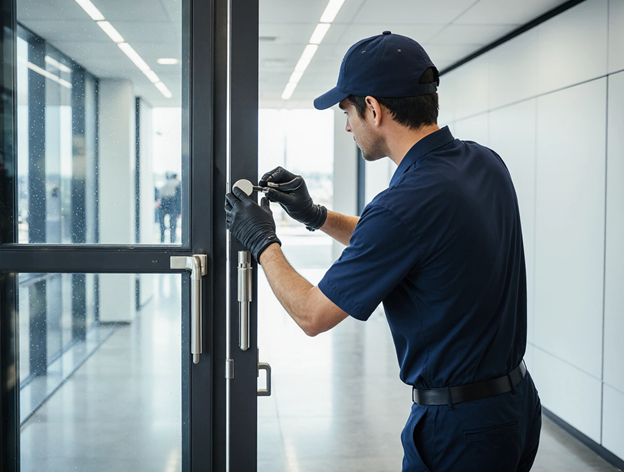
A typical commercial locksmith handles lock installation and repair across all commercial-grade hardware, from standard mortise locks to high-security cylinders. They design and implement master key systems for multi-tenant buildings and large office complexes. They install and service panic bars, exit devices, and automatic door closers — the critical hardware that keeps your building both secure and code-compliant. And increasingly, they work with electronic access control systems that replace traditional keys with keycards, fobs, mobile credentials, or biometric scanners.
The breadth of that skill set is what makes a commercial locksmith fundamentally different from a residential one.
When You Need a Commercial Locksmith
There are obvious situations — lockouts, broken hardware, a security breach — but the less obvious moments are often more important.
Tenant Turnover
If you manage commercial property, every time a tenant moves out, the locks on that unit need to be rekeyed or replaced before the next tenant moves in. Skipping this step is a security risk that most property managers can’t afford to take.
Employee Changes
When employees leave — especially those who had keys to sensitive areas — rekeying should happen immediately. A commercial locksmith can rekey your entire facility quickly, minimizing downtime while eliminating the risk of unauthorized access.
Facility Expansion or Renovation
Opening a new office, adding a wing to your building, or reconfiguring your floor plan all require updated security hardware. A commercial locksmith can assess the new layout and ensure that every door, access point, and exit meets both your security requirements and building codes.
Scheduled Maintenance
Locks wear out. Door closers lose tension. Panic bars get sluggish. Regular maintenance from a commercial locksmith catches these issues before they become failures — and a failed lock at the wrong moment can mean anything from a minor inconvenience to a serious security event.
Choosing the Right Commercial Locksmith
The commercial locksmith industry has its share of fly-by-night operators who show up in unmarked vans and charge three times the quoted price. Protecting yourself starts with doing your homework before you need emergency service.
Look for locksmiths with established business addresses and verifiable track records. Ask whether they carry commercial liability insurance and whether their technicians hold relevant certifications. Organizations like ALOA (Associated Locksmiths of America) maintain directories of credentialed professionals — that’s a good starting point.
Get a written estimate before work begins, and clarify whether the quote includes parts, labor, and any after-hours surcharges. A reputable commercial locksmith will be transparent about pricing because they don’t need to rely on surprise fees to stay profitable.
Security Isn’t an Expense — It’s Infrastructure
The locks on your doors, the access systems on your gates, and the exit hardware in your hallways are as fundamental to your business as the plumbing and electrical. A qualified commercial locksmith ensures that infrastructure works flawlessly, so you can focus on running your business instead of worrying about what might go wrong at the door.